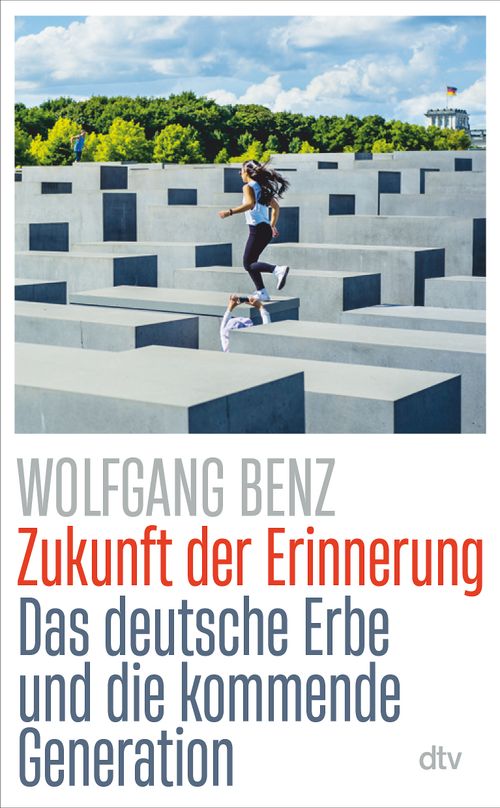
The Future of Remembrance – The German Legacy and the Next Generation
What began in 1945 will not end with the death of first-hand eye-witnesses – the culture of remembrance will live on.
But the place which the Holocaust occupies in history will increasingly change, from one generation to the next and as more migrants move to the country. What will not change is Germany’s political obligation. Wolfgang Benz sketches the origins of the German culture of remembrance, engaging with the ritualisation and bureaucratisation of remembrance and warning against smug self-satisfaction. He shows the younger generation how to carry the burden of National Socialism without becoming overwhelmed. Because while it is clear that the crime was enormous and singular, it should not be wielded to justify any and every political obligation. The doyen of Holocaust research takes stock of Germany’s relationship with its past and adopts a decisive position on the current heated debate.
- What will remain 80, 100 years after the end of the Holocaust?
- Wolfgang Benz is the doyen of German Holocaust research
- Previous books by the author have been translated into numerous languages
Wolfgang Benz, born in 1941, is professor emeritus of History and was Director of the Centre for Research on Anti-Semitism at the Technical University of Berlin until his retirement in 2011. In 1992 he received the Geschwister Scholl Prize. He is co-editor of the Journal of Historical Science and author of numerous publications, including some standard works, on German history in the 20th century.
.jpg "Wolfgang Benz")